Development Overview
The Development Overview section outlines the structural and procedural foundations behind Athena SMS, emphasizing scalable architecture and modern development practices.
Athena SMS is developed using a microservices architecture, follows MVC design principles, and is built using an Agile development process. Each module is independently deployable, supports version control with Git, and is continuously integrated and delivered via a CI/CD pipeline.
🔗 For technical implementation, visit the Technologies section.
Application Architecture – MVC Architecture
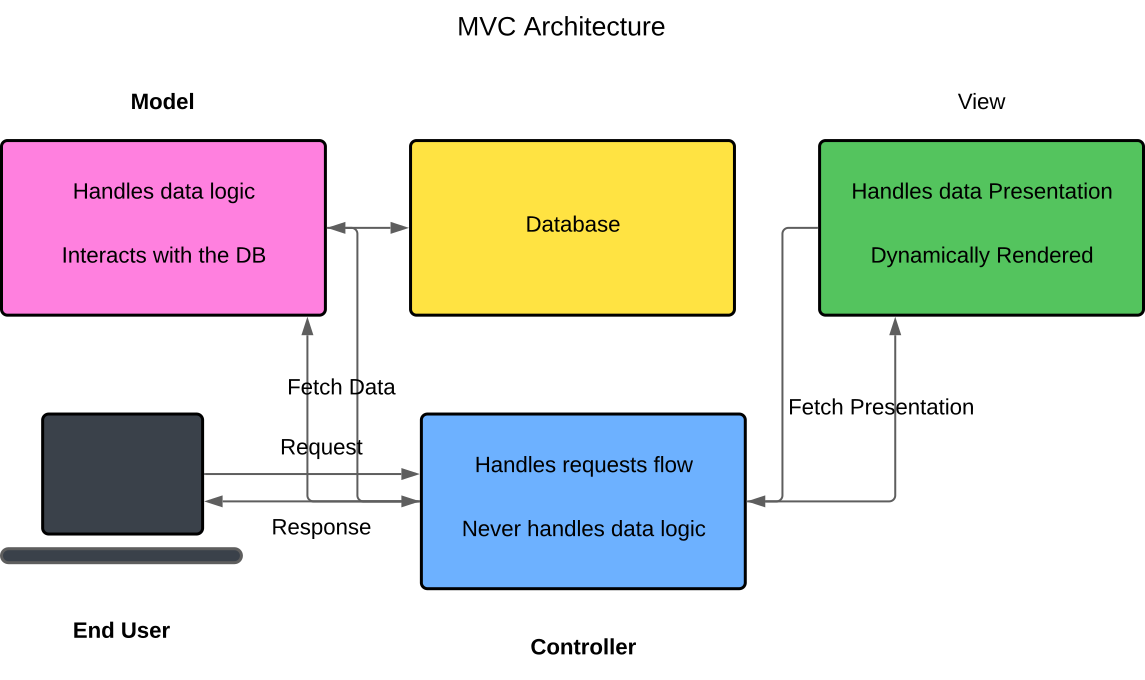
-
Model: Handles business logic and database operations.
-
View: Responsible for the user interface.
-
Controller: Manages user interactions, triggers model updates, and view rendering.
This separation improves maintainability and scalability.
Development Methodology – Agile Process
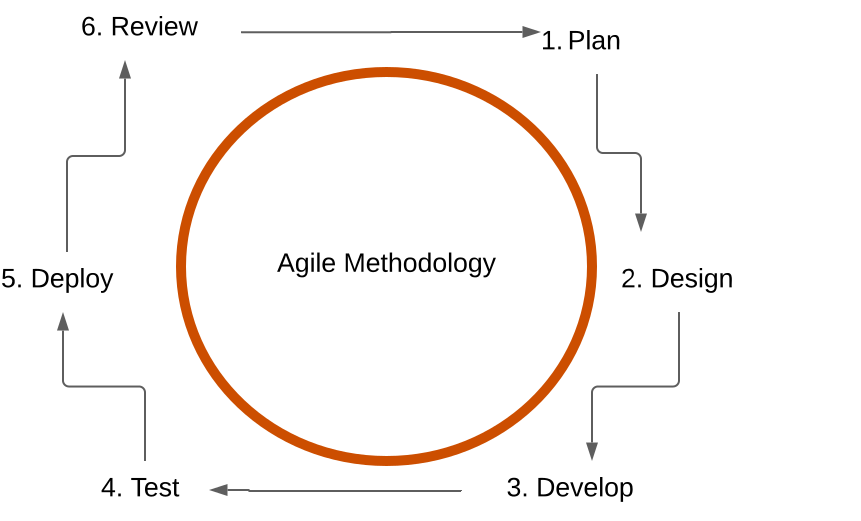
Athena SMS follows the Agile methodology with short sprints, user feedback, and iterative deliveries. This ensures rapid adaptation to changes and continuous delivery of value.
CI/CD Pipeline

Code is continuously integrated and deployed through automated pipelines ensuring:
-
Code is linted, tested, and reviewed on each commit.
-
Safe rollouts and rollbacks using blue-green deployment or canary releases.
-
Integration with Git-based workflows.
Environment Management
-
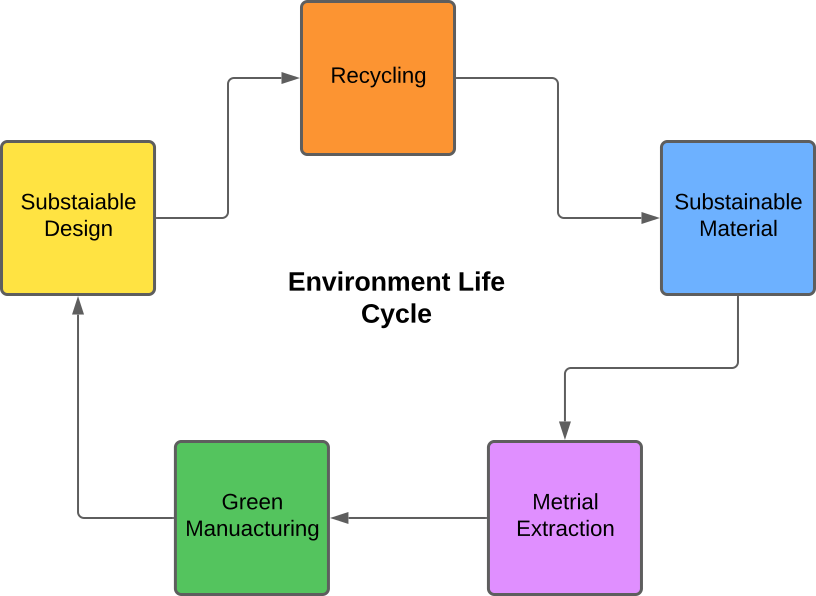
Development: Local setup with mocks and seed data.
-
QA: Mirrors production environment for final testing.
-
Production: Monitored, highly available environment with scaling support.
Version control and tagging ensure safe promotion of features across environments.
Testing & Code Quality
-
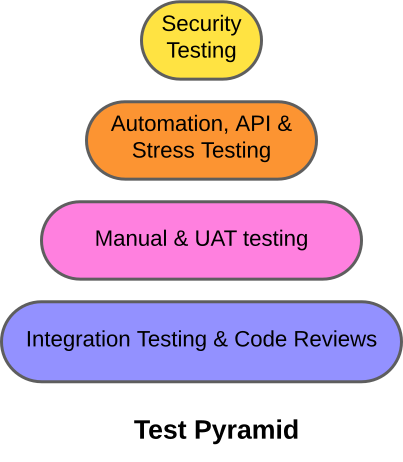
Integration Tests - Verify communication between multiple components or services. Ensures internal modules and APIs work cohesively.
-
Code Reviews & Static Analysis - Every feature is reviewed through Pull Requests. SonarQube and other static analysis tools ensure code quality and maintainability.
-
Manual Testing & UAT (User Acceptance Testing) - Exploratory and scenario-based testing performed by QA and stakeholders. Ensures business logic and usability match expectations.
-
API Testing & Stress Testing - API functionality is validated using tools like Postman and JMeter. Stress/load testing ensures the system performs under high user load and traffic spikes.
-
Test Automation - Automated quality checks with linters and static analysis using Selenium with Java using Cucumber Framework.
-
Security Testing - Identifies vulnerabilities like XSS, CSRF, authentication flaws, and data exposure. Tools like OWASP ZAP or Burp Suite may be used.
Version Control & Collaboration
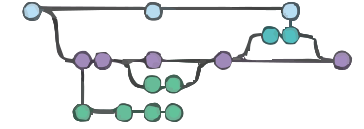
-
Managed through Git (GitLab)
-
Follows Git Flow branching model
-
main: Production-ready code -
develop: Ongoing development -
qa,releasebranches
-
Code is merged only after automated and manual reviews.